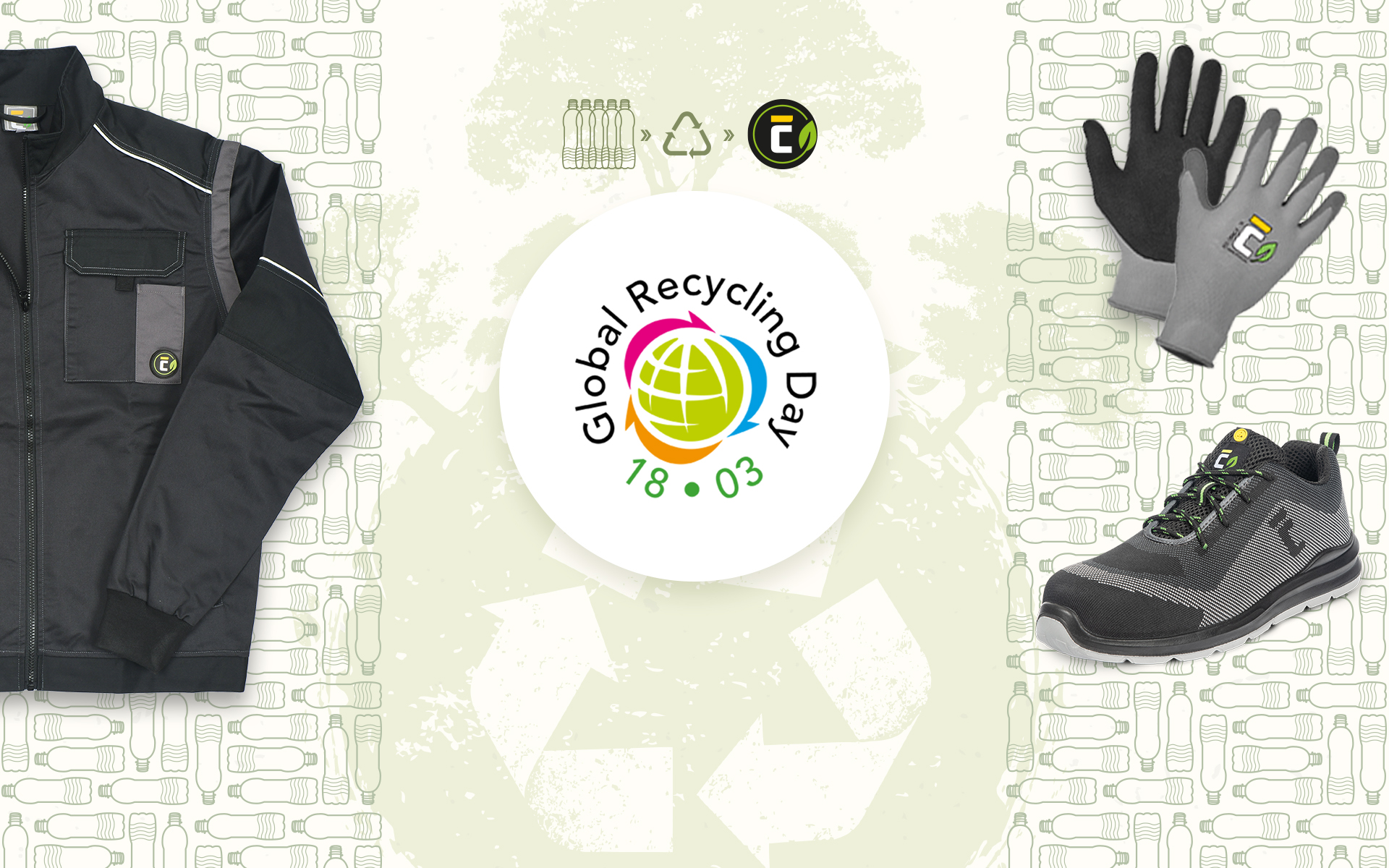
18 March has been marked in calendars as World Recycling Day since 2018. The day was established by the London-based Global Recycling Foundation to highlight the growing importance of recycling and the circular economy, particularly at a time when the world is facing an ongoing climate crisis. The planet’s resources are not unlimited, and irresponsible use of them leads not only to unnecessary waste but also to a growing amount of plastic with no further use.
Around 400 million tons of plastic are produced worldwide every year. Plastic production has increased dramatically since 1950 and could even double by 2050. At the same time, only about 9% of plastic waste is recycled, while as much as 79% ends up in landfills or in the natural environment. This represents a major problem, especially for the world’s oceans, as plastic accounts for up to 81% of all marine litter.
One way to help reduce this problem is through proper waste sorting and plastic recycling. Among the most recyclable plastic materials is PET (polyethylene terephthalate), which can be transformed into polyester textile fibers. This process allows plastic waste to be reintroduced into production and reduces the need for new raw materials. Recycled polyester retains most of the properties of conventional polyester, including high durability, low weight, quick drying and good shape stability. For this reason, it is widely used in the production of sportswear, fleece garments, backpacks and bags, filling materials, and of course also workwear and personal protective equipment.
Products made from recycled polyester can also be found in our portfolio under the ECO CONCEPT label. This program combines a focus on the functionality and safety of work equipment with a responsible approach to the environment. However, our efforts go beyond materials alone – we also place strong emphasis on environmentally responsible production processes, waste reduction and the efficient use of resources.
Our commitment to sustainable production is supported by several international certifications. The Global Recycled Standard (GRS) is a voluntary product standard that sets requirements for the certification of recycled inputs, supply chain traceability, and the verification of social and environmental practices. The Recycled Content Standard (RCS) focuses primarily on verifying the share of recycled materials in products. In addition, the ČSN EN ISO 14001:2016 certification confirms that our company systematically manages environmental processes and actively works to minimize the environmental impact of its operations.
One example within the ECO CONCEPT program is the MAX ECO STRETCH workwear collection, which combines environmentally friendly materials with comfort and functionality. The garments are made from a blend of 65% recycled polyester, 32% cotton and 3% Spandex, ensuring both durability and comfort for everyday use. The collection includes men’s and women’s work trousers, bib trousers, shorts and a work jacket. Practical features such as functional pockets, reflective elements and reinforced knee areas with the option to insert knee pads are, of course, included.
Recycled materials are also used in work footwear. A good example is the ZURRUM ECO S1PS safety shoe, a more environmentally friendly alternative to the popular ZURRUM S1P model. The upper is made from 100% recycled polyester, the insole contains 90% recycled material, and the composite puncture-resistant midsole contains 60% recycled content. Thanks to its lightweight construction, breathable materials and antistatic properties, the shoe provides both comfort and reliable protection for indoor work environments.
Our range also includes selected models of dipped gloves made from recycled polyester with a small percentage of Spandex and certified according to GRS and RCS standards. These gloves combine durability and excellent grip performance while supporting more sustainable material use.
World Recycling Day reminds us each year that responsible resource management is important not only for individuals but also for companies and entire industries. Recycling is not the only solution to the global plastic waste problem, but it represents an important step towards a more sustainable future. Using recycled materials in the production of new products helps return valuable resources back into circulation and reduces pressure on natural resources. Even small changes in production and consumption can gradually contribute to protecting the environment for future generations.
