How to Protect Your Hearing
How to Protect Your Hearing
Hearing is one of our most valuable senses, yet its protection is often underestimated in noisy workplaces. Hearing damage is one of the most common occupational illnesses and is irreversible. The key to protection is prevention. We’ll explain how noise can harm your ears and how to safeguard your hearing.
When is Noise Dangerous?
When is Noise Dangerous?
Modern life has created a noisy environment. We live in cities where cars constantly rush by and trains and trams roar past. In the evenings, we may go to a bar with friends, where loud music often makes conversation difficult. Even in rural areas, silence is often disturbed by agricultural and forestry machinery. Continuous exposure to noise can cause irritation and headaches. However, if the noise level exceeds a certain threshold, you may experience tinnitus (ringing in the ears, especially bothersome before sleep), increased fatigue, decreased concentration, and permanent hearing damage.
So, what noise levels are we talking about? Noise is measured in decibels (dB). Levels up to 60 dB are generally safe. This includes a calm conversation at a distance of one meter, a typical office environment, the hum of an air conditioner or computer, or normal background noise in shops or cafés.
Noise between 60 and 80 dB can be uncomfortable, but 80 dB (for example, a busy street, hair dryer, vacuum cleaner, or shouting) is dangerous if exposure is prolonged. On such noisy workplaces, employers must provide hearing protection, and at 85 dB it is legally required to wear it. Noise exceeding 100 dB (jackhammers, chainsaws, concerts) can cause hearing damage in just a few minutes.

Which Professions are at Risk?
Which Professions are at Risk?
Many professions require hearing protection, whether due to noisy equipment or loud work environments.
Construction workers operating drills, pneumatic hammers, or heavy machinery are at risk. Industrial and manufacturing workers, such as those in stamping, forging, carpentry, or textile production, are also exposed. Noisy environments are common in transportation and logistics (airports, railways, warehouses with forklifts), as well as agriculture and forestry, where workers operate tractors, combine harvesters, and chainsaws. And, of course, we must not forget musicians, DJs, and sound engineers.
How to Protect Yourself
How to Protect Yourself
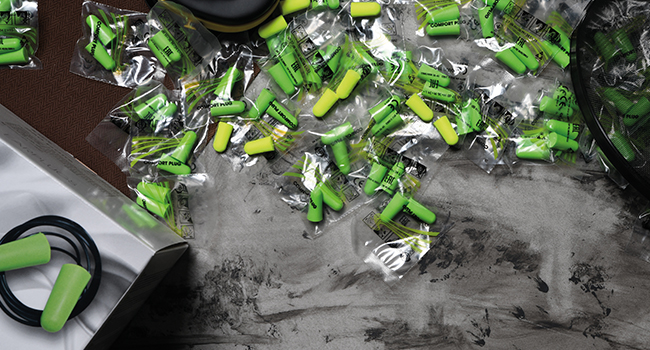
Prevention is simple – use appropriate hearing protection. There are two main types: passive protection, which mechanically reduces noise (typically earplugs and earmuffs), and active protection, which uses electronics to suppress harmful sounds while allowing important signals, such as human voices or warning alarms, to be heard.
CERVA offers a wide range of hearing protection devices that reduce noise by 20 to 37 dB. Lower attenuation (22–25 dB) is suitable for environments where noise is moderate and it’s still necessary to hear colleagues and stay aware of your surroundings (warehouses, production, construction). Higher attenuation (30–37 dB) is ideal for extremely noisy workplaces (metalworking, heavy machinery, airports).
- Earplugs are lightweight, comfortable, and ideal for long-term use. We also offer models with practical cords or neckbands so they can hang around your neck when removed.
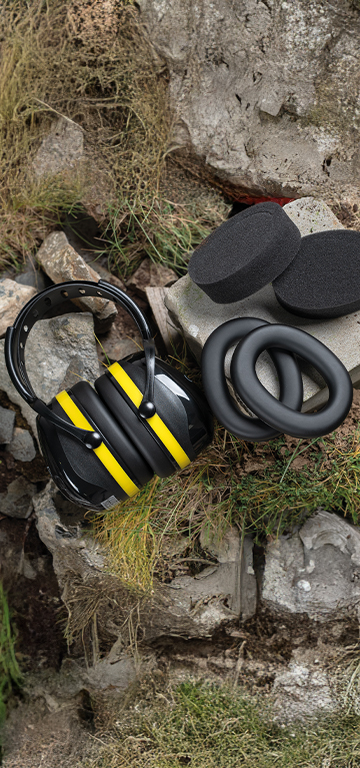
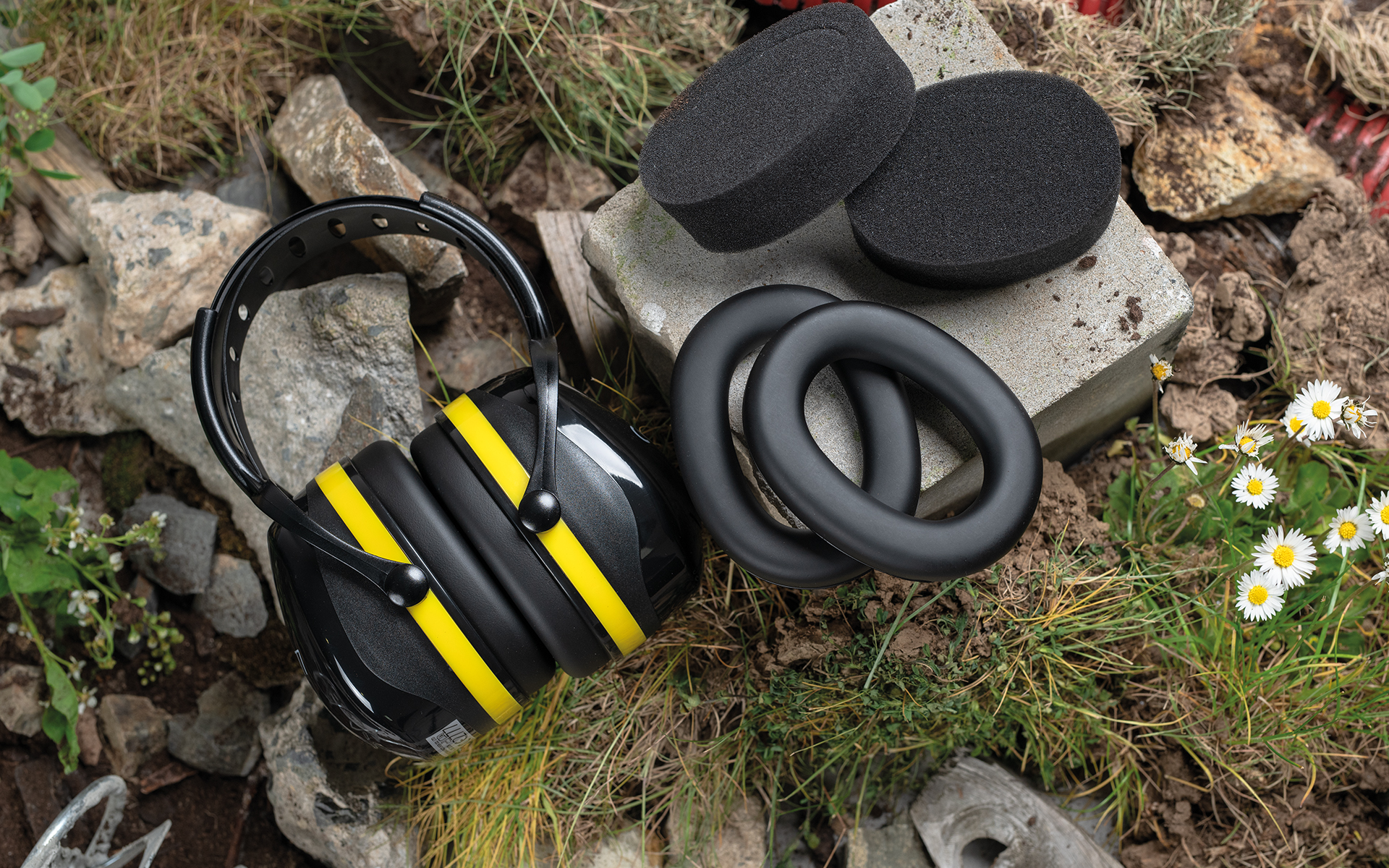
- Earmuffs, shaped like headphones, are great for those who cannot tolerate earplugs. They usually provide higher noise reduction and are suitable for very loud environments.
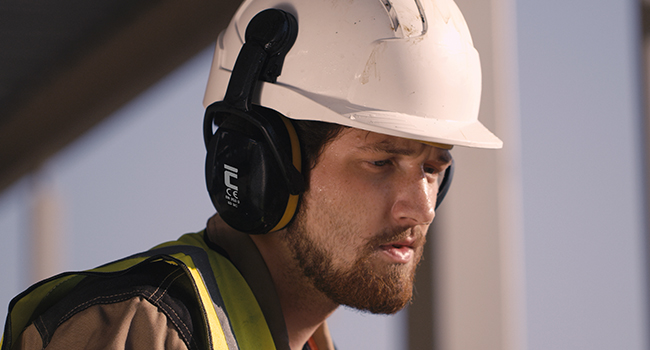
- For specialized workplaces, we offer hearing protection compatible with industrial or welding helmets.
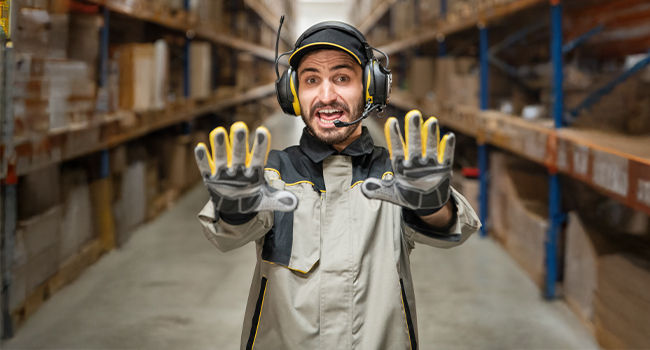
- We also provide communication headsets with built-in radios, allowing safe work while staying connected with your team.
Remember, you only have one set of ears. Protecting your hearing every day – at work or during leisure activities – is a lifelong investment. With our hearing protection, you stay safe even in the loudest environments.